
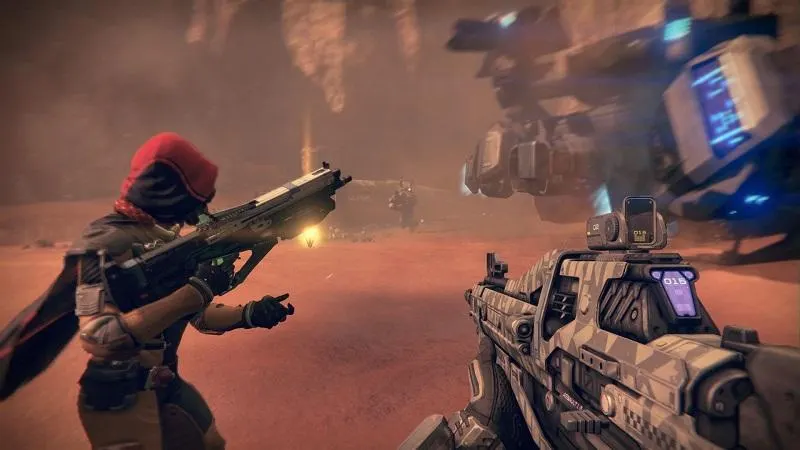
Shooter games are widely recognized for their ability to challenge players in real time environments that demand quick judgment, precise movement, and constant awareness. Unlike slower paced game genres that allow extended planning time, shooter games place players in situations where decisions must be made instantly. This fast paced structure makes them effective tools for strengthening decision making abilities across different skill levels.
Players must evaluate threats, choose movement routes, manage equipment, and coordinate with teammates within seconds. These repeated decision cycles improve mental processing speed and help players develop confidence in handling dynamic situations.
Understanding how shooter games support fast decision making abilities reveals why they remain one of the most influential genres in modern gaming.
What Fast Decision Making Means in Shooter Games
Fast decision making in shooter games refers to the ability to analyze changing environments and respond appropriately within very short time frames. Players constantly interpret visual and audio information while selecting the most effective action.
Typical rapid decisions include:
- Choosing safe movement directions during encounters
- Selecting the correct equipment for specific situations
- Identifying threats before they become dangerous
- Responding quickly to teammate communication
- Adjusting strategies when conditions change suddenly
These actions occur repeatedly during matches, strengthening mental flexibility through practice.
As players gain experience, they begin recognizing patterns faster and responding with greater accuracy.
Why Shooter Games Naturally Develop Quick Thinking Skills
Shooter games create environments that encourage continuous attention and rapid responses. Players rarely have time to pause and consider multiple options slowly.
Several gameplay features support this skill development:
- Real time opponent interaction
- Dynamic map movement requirements
- Limited reaction windows during encounters
- Continuous objective based challenges
- Changing tactical conditions throughout matches
Because these features remain active throughout gameplay sessions, players train their brains to process information efficiently.
Repeated exposure strengthens confidence during time sensitive decisions.
The Role of Situational Awareness in Decision Making Speed
Situational awareness refers to the ability to understand what is happening in the surrounding environment at any moment. Shooter games depend heavily on this ability.
Players improve situational awareness by learning to:
- Monitor movement across multiple directions
- Identify sound cues indicating nearby threats
- Recognize environmental advantages quickly
- Track teammate positions during objectives
Improved awareness allows players to react faster without hesitation.
Strong situational awareness also reduces mistakes caused by delayed responses.
Over time, players develop habits that support quicker evaluation of complex situations.
How Map Familiarity Improves Decision Making Efficiency
Map familiarity plays a major role in decision making speed. Players who understand environment layouts can predict movement paths and avoid dangerous areas more effectively.
Benefits of map knowledge include:
- Faster navigation between objective points
- Improved defensive positioning choices
- Better anticipation of opponent strategies
- Increased confidence during movement planning
Instead of reacting randomly, experienced players make informed decisions based on map structure.
Learning maps gradually improves response accuracy during competitive matches.
Environmental familiarity supports faster and safer movement choices.
Weapon Selection and Rapid Tactical Choices
Weapon selection directly affects how quickly players can respond to encounters. Each equipment type supports different engagement distances and movement styles.
Players improve decision making speed by learning:
- Which equipment works best in close range situations
- How to switch tools quickly during combat
- When to prioritize defensive equipment
- How to adapt equipment choices based on map conditions
Understanding equipment strengths reduces hesitation during encounters.
Players who practice switching strategies efficiently maintain stronger performance under pressure.
Equipment awareness supports confident decision making during fast paced gameplay.
Team Communication and Shared Decision Making
Multiplayer shooter games emphasize teamwork as much as individual performance. Effective communication improves group decision making speed.
Coordinated teams often:
- Share information about opponent movement
- Plan attack timing together
- Assign defensive roles during objectives
- Adjust strategies based on teammate feedback
These interactions allow teams to respond quickly to changing match conditions.
Communication reduces confusion and increases coordination efficiency.
Players who participate actively in team communication often develop stronger decision making habits.
Reaction Timing and Movement Control
Movement control plays an essential role in fast decision making environments. Players must choose when to move forward, take cover, or reposition quickly during encounters.
Movement based decisions include:
- Choosing safe routes through contested areas
- Avoiding unnecessary exposure during engagements
- Adjusting position based on teammate location
- Retreating strategically when needed
Practicing movement control improves confidence and response timing.
Players who move efficiently often gain advantages before opponents react.
Movement awareness strengthens both defensive and offensive strategies.
Objective Based Gameplay and Decision Prioritization
Many shooter games include structured objectives that guide player actions during matches. These objectives encourage players to prioritize decisions carefully.
Objective based decision making involves:
- Choosing whether to defend or advance
- Supporting teammates during critical moments
- Managing time efficiently during missions
- Protecting strategic locations
Players learn to evaluate priorities quickly instead of reacting randomly.
Objective awareness strengthens decision accuracy under pressure.
This structured gameplay encourages thoughtful action even during fast paced encounters.
How Practice Builds Faster Decision Making Habits
Practice remains one of the most effective ways to improve decision making speed. Repeated exposure to similar gameplay situations strengthens pattern recognition.
Regular practice helps players:
- Recognize threat signals earlier
- Respond more confidently during encounters
- Reduce hesitation when selecting strategies
- Improve coordination with teammates
Consistent gameplay sessions reinforce mental processing efficiency.
Over time, players begin responding automatically to familiar scenarios.
Practice transforms uncertainty into structured decision making habits.
Cognitive Benefits Beyond Gaming Environments
The fast decision making abilities developed through shooter games often support performance in other activities as well.
These benefits include:
Improved attention control
Players learn to focus on relevant information quickly.
Enhanced response speed
Rapid evaluation skills improve reaction timing.
Better multitasking ability
Managing multiple objectives strengthens coordination skills.
Stronger confidence during time sensitive situations
Repeated exposure to pressure improves calm decision making.
These abilities support academic learning and real world problem solving environments.
Fast thinking skills developed through gameplay remain useful beyond entertainment settings.
Responsible Participation Supports Long Term Improvement
Maintaining balanced gaming habits ensures that shooter games remain effective learning environments rather than sources of fatigue.
Healthy participation includes:
- Taking regular breaks between sessions
- Maintaining comfortable posture during gameplay
- Practicing in structured time intervals
- Avoiding extended sessions without rest
Balanced routines improve concentration and support steady improvement.
Responsible participation encourages long term skill development.
Players who manage playtime effectively maintain stronger decision making performance.
Choosing Shooter Games That Support Skill Development
Not all shooter games emphasize the same decision making skills. Selecting appropriate environments helps players strengthen specific abilities more effectively.
Important factors to consider include:
- Availability of training modes
- Presence of objective based gameplay
- Support for cooperative teamwork
- Clear feedback systems during matches
- Balanced difficulty progression
Choosing supportive environments encourages consistent improvement.
Players who explore different formats often develop broader decision making abilities.
Skill growth becomes more noticeable when players practice across varied gameplay conditions.
The Future of Shooter Games and Cognitive Training Potential
Shooter game development continues advancing through improvements in artificial intelligence, map design complexity, and communication tools.
Future improvements may include:
- More advanced training simulations for decision making practice
- Improved adaptive difficulty systems
- Expanded cooperative gameplay environments
- Enhanced visual feedback supporting learning
These developments will likely increase the educational potential of shooter games.
Fast paced decision making training will remain one of the most valuable aspects of the genre.
Shooter games continue supporting players who want to strengthen awareness, coordination, and confidence during dynamic situations.
FAQ Section
Can shooter games improve reaction speed in beginners
Yes. Beginners often notice improvement in reaction timing after practicing regularly in structured gameplay environments.
Are fast decision making skills useful outside gaming environments
Yes. These skills support academic tasks, sports participation, and workplace situations that require quick thinking.
Do cooperative shooter games improve communication abilities
Yes. Team based matches encourage players to share information clearly and respond quickly to teammates.
Is map familiarity more important than weapon selection
Both are important, but map familiarity often improves positioning decisions that influence overall performance.
How long does it take to develop faster decision making skills through shooter games
Many players begin noticing improvement within a few weeks of consistent practice sessions.
Are training modes helpful for improving decision making speed
Yes. Training environments allow players to practice movement and strategy without competitive pressure.
Can younger players benefit from shooter games focused on strategy rather than action
Yes. Strategy oriented shooter games encourage planning, awareness, and structured decision making habits.
