
Flash games once defined the golden era of browser-based entertainment. Among the thousands of titles released during that time, strategy-focused Flash games stood out for demanding quick decisions, smart planning, and adaptive thinking. Unlike reflex-heavy arcade titles, these games rewarded players who could analyze situations, manage resources, and anticipate outcomes under pressure.
Even today, many of these classic strategy games remain influential because they trained players to think several steps ahead while reacting quickly to changing conditions. This article explores some of the best strategy-focused Flash games that challenged players to sharpen their decision-making skills and tactical awareness.
Why Strategy Flash Games Were So Engaging
Strategy Flash games balanced simplicity with depth. Their lightweight format allowed players to jump into complex scenarios quickly without long tutorials or installation requirements. The best titles combined intuitive controls with layered mechanics that rewarded experimentation.
Several features made them especially effective at developing quick thinking skills:
- Real-time decision-making under pressure
- Resource allocation challenges
- Tactical positioning requirements
- Upgrade path optimization choices
- Enemy behavior prediction
Because matches were short but intense, players often repeated levels multiple times, refining strategies with each attempt.
Bloons Tower Defense Series
The Bloons Tower Defense series remains one of the most recognizable strategy Flash game franchises ever created. Players placed monkey towers strategically along winding paths to stop waves of advancing balloons.
At first glance, the gameplay looked simple. However, later levels required precise placement decisions and fast responses to increasingly complex enemy formations.
Key strategy elements included:
- Choosing tower combinations that complemented each other
- Timing upgrades carefully for maximum efficiency
- Managing limited resources during early waves
- Predicting balloon movement patterns
Success depended heavily on anticipating threats rather than reacting too late. This made Bloons Tower Defense an excellent exercise in strategic planning and rapid evaluation.
Desktop Tower Defense
Desktop Tower Defense helped define the tower defense genre in browser gaming. Unlike path-based defense games, this title allowed players to build their own maze layouts using defensive towers.
This freedom dramatically increased strategic complexity.
Players had to:
- Design efficient movement paths for enemies
- Optimize tower placement angles
- Balance economy and defense priorities
- Adjust layouts quickly during later waves
Because every placement decision affected enemy routes, players constantly adapted their strategies in real time. This encouraged experimentation and improved spatial reasoning skills.
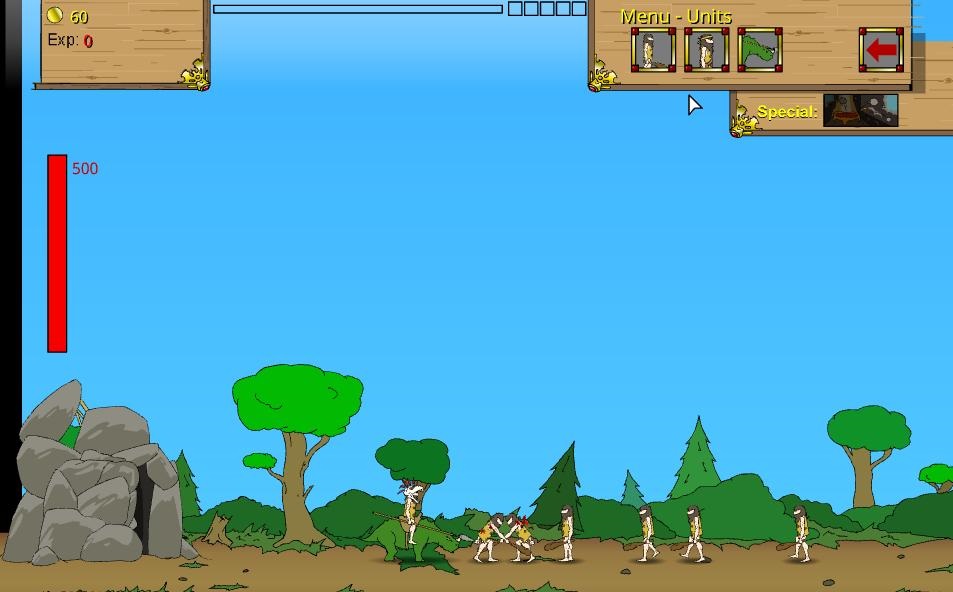
Age of War
Age of War combined resource management with real-time tactical combat across multiple historical eras. Players began in primitive times and gradually advanced through technological upgrades while defending their base.
Unlike traditional strategy games, Age of War forced players to make fast decisions about:
- Unit deployment timing
- Defensive turret placement
- Resource investment priorities
- Era advancement strategies
Choosing the wrong upgrade path early often created long-term disadvantages. Players learned to anticipate enemy escalation patterns and adjust accordingly.
Warfare 1917
Warfare 1917 offered a deeper tactical experience than many browser-based strategy titles. Set during World War I trench warfare, the game emphasized timing, positioning, and unit coordination.
Players commanded troops across contested battlefields while managing morale and reinforcement timing.
Strategic challenges included:
- Selecting the right soldier types for specific scenarios
- Timing assaults between enemy suppression cycles
- Managing battlefield momentum shifts
- Responding quickly to unexpected enemy pushes
Victory required careful planning combined with quick battlefield awareness. The game rewarded patience as much as speed.
Kingdom Rush Flash Version
Before becoming a widely known mobile franchise, Kingdom Rush gained popularity as a Flash-based tower defense experience with strong strategic depth.
Players defended fantasy kingdoms against waves of enemies using specialized towers and hero abilities.
What made Kingdom Rush especially effective for training quick thinking skills was its layered decision-making structure:
- Each tower branch had multiple upgrade paths
- Enemy types required different counter-strategies
- Hero positioning influenced battle outcomes
- Ability timing changed engagement results
Because enemy waves often combined multiple threat types simultaneously, players constantly evaluated battlefield conditions and adjusted tactics accordingly.
GemCraft Series
GemCraft introduced one of the most sophisticated upgrade systems in Flash gaming history. Instead of simple tower upgrades, players created custom gems that determined attack behavior and effectiveness.
This system allowed nearly endless strategic combinations.
Players had to:
- Design optimized gem structures
- Manage mana resources efficiently
- Decide between offense and support upgrades
- Adapt gem placement strategies mid-level
The flexibility encouraged experimentation and rewarded players who quickly recognized which combinations worked best against specific enemies.
Stick War
Stick War blended real-time strategy mechanics with resource control and tactical positioning. Players commanded armies of specialized stick-figure units while mining gold and defending territory.
Strategic depth came from managing multiple priorities simultaneously.
Players balanced:
- Economic growth
- Defensive positioning
- Offensive pressure
- Unit specialization upgrades
Because enemies reacted dynamically to player choices, every decision carried immediate consequences. This forced players to think quickly while maintaining long-term strategy awareness.
Battle Panic
Battle Panic offered a fast-paced hybrid strategy experience that combined base-building with continuous battlefield expansion.
Instead of waiting between waves, players constantly gathered resources while defending against attacks.
Core strategy decisions included:
- Expanding safely into contested territory
- Protecting resource workers efficiently
- Choosing upgrade priorities quickly
- Responding to surprise enemy attacks
The game rewarded players who could maintain awareness across multiple objectives simultaneously.
Why These Flash Games Improved Quick Thinking Skills
Strategy-focused Flash games trained players differently from traditional console strategy titles. Their shorter match lengths encouraged faster decision-making cycles and rapid adaptation.
Players developed several cognitive skills through repeated gameplay:
Situational awareness
Recognizing threats quickly became essential for survival in later levels.
Resource prioritization
Limited resources forced players to evaluate opportunity costs constantly.
Pattern recognition
Enemy wave structures often followed recognizable trends that experienced players learned to anticipate.
Risk assessment
Choosing whether to invest in upgrades or immediate defense required careful judgment under pressure.
These skills translated beyond gaming environments and helped players improve general problem-solving abilities.
The Lasting Influence of Strategy Flash Games
Although Flash support ended in most modern browsers, the legacy of strategy Flash games continues through remastered versions, downloadable archives, and modern mobile adaptations inspired by their mechanics.
Many popular tower defense and real-time strategy mobile titles still reflect the design principles pioneered during the Flash era.
Their accessibility also helped introduce an entire generation of players to strategy gaming without requiring expensive hardware or software installations.
Even today, these games remain valuable examples of how simple mechanics can create deep tactical experiences when combined with thoughtful design.
Tips for Playing Strategy Flash Games More Effectively
Players looking to improve performance in strategy-focused browser games can apply several proven techniques.
Consider these approaches:
- Study enemy behavior patterns before investing upgrades
- Avoid overspending resources early in matches
- Focus on balanced defense instead of single strong towers
- Upgrade strategically instead of reacting emotionally
- Reevaluate placement decisions after each wave
Small adjustments often create significant improvements in success rates.
Consistent experimentation remains the most effective way to master strategy-based gameplay systems.
FAQ Section
What made Flash strategy games different from traditional PC strategy games
Flash strategy games emphasized shorter play sessions and faster decision-making cycles while maintaining tactical depth. This made them more accessible but still mentally challenging.
Are classic strategy Flash games still playable today
Yes. Many titles remain available through archived browser platforms, standalone players, or remastered versions created by original developers.
Which Flash strategy game is best for beginners
Bloons Tower Defense is often recommended because it introduces core strategy concepts gradually while remaining engaging at higher difficulty levels.
Did Flash strategy games influence modern mobile strategy titles
Many modern tower defense and quick-session strategy games borrow mechanics first refined during the Flash gaming era.
Do strategy Flash games help improve problem-solving skills
Yes. They encourage planning, prediction, resource management, and adaptive thinking under time pressure.
What skills are most important for succeeding in tower defense Flash games
Effective tower placement, upgrade timing, and enemy pattern recognition are the most critical success factors.
Why were browser-based strategy games so popular among students
They required no installation, ran quickly on school computers, and offered deep gameplay within short time limits.
