
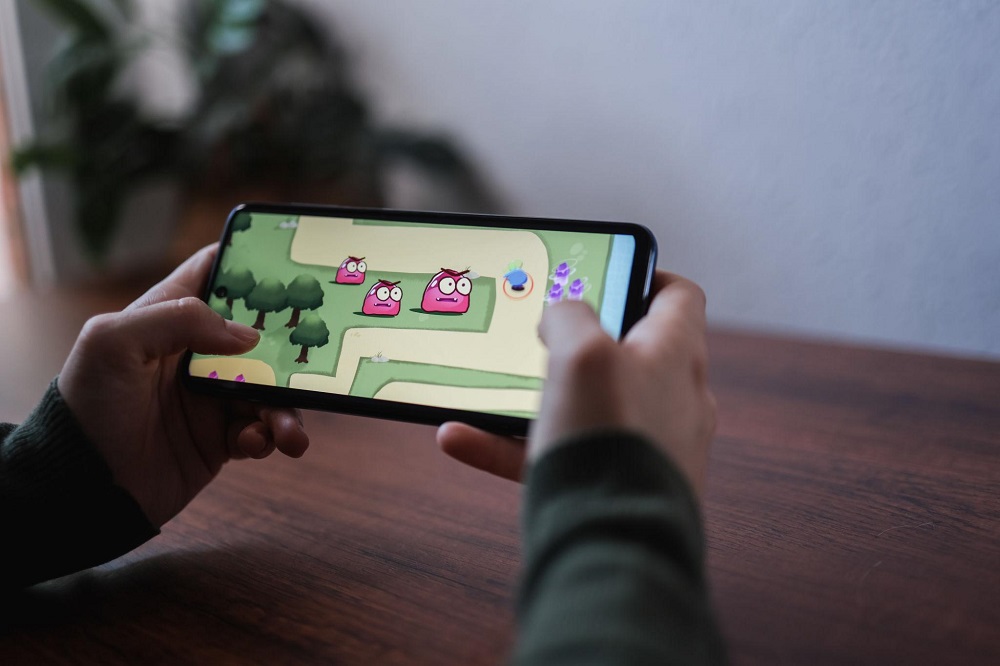
Online games have become one of the most influential forms of digital entertainment in the modern world. From competitive multiplayer shooters to cooperative strategy adventures and casual mobile experiences, online gaming connects players across locations and cultures in ways that were not possible just a generation ago. These games are no longer limited to recreation alone. They now support communication, skill development, teamwork, and even professional competition.
Understanding how online games function and why they continue to grow in popularity helps players make better choices about how they engage with them and how they benefit from them.
What Are Online Games
Online games are video games that require an internet connection to interact with other players, servers, or shared environments. Unlike offline titles that run entirely on a single device, online games rely on network communication to create real time experiences involving multiple participants.
Common types of online games include:
- Multiplayer battle games involving team competition
- Strategy based online environments requiring planning and coordination
- Role playing adventures with shared virtual worlds
- Cooperative mission based gameplay experiences
- Casual mobile games with leaderboard systems
These categories demonstrate how online gaming supports both competitive and cooperative interactions across many platforms.
The Growth of Online Gaming Across Platforms
Online gaming has expanded rapidly because it is accessible through multiple devices. Players are no longer limited to desktop computers or consoles. Smartphones, tablets, and laptops now support a wide range of connected experiences.
Several factors contributed to this growth:
- Faster internet connections across regions
- Improved graphics performance on mobile devices
- Cloud based game hosting technologies
- Social features built into gaming platforms
- Cross platform compatibility between devices
As a result, players can join matches quickly and interact with others from different locations without complicated setup requirements.
Popular Categories of Online Games
Online gaming includes many genres that appeal to different types of players. Each category offers distinct challenges and rewards.
Multiplayer Competitive Games
Competitive online games focus on direct player versus player interaction. These experiences reward quick thinking, coordination, and consistent practice.
Examples of competitive gameplay structures include:
- Team based objective matches
- Ranked ladder progression systems
- Tactical elimination scenarios
- Capture and control style missions
These formats encourage players to improve decision making and teamwork over time.
Cooperative Online Adventures
Cooperative games emphasize shared goals instead of direct competition. Players work together to solve challenges or complete missions.
Benefits of cooperative gameplay include:
- Strengthening communication skills
- Encouraging collaborative problem solving
- Supporting teamwork under pressure
- Building trust between players
This category remains especially popular among groups of friends who prefer shared experiences rather than competition.
Strategy Based Online Games
Strategy games require planning, resource management, and careful timing. These titles reward players who analyze situations before acting.
Key features often include:
- Territory control objectives
- Economic resource systems
- Unit deployment planning
- Defensive structure placement
Players who enjoy thinking ahead often prefer strategy based online experiences.
Casual Online Games
Casual online games provide shorter play sessions designed for quick entertainment. They are accessible to players of all skill levels.
Common characteristics include:
- Simple control systems
- Short match durations
- Easy entry for beginners
- Social leaderboard interaction
These games help introduce new players to online environments without requiring advanced skills.
Social Interaction Through Online Games
One of the most important features of online gaming is its ability to connect people. Communication tools built into games allow players to coordinate strategies and build friendships.
Social benefits include:
- Real time voice communication during matches
- Cooperative planning between teammates
- Participation in gaming communities
- Shared achievements and challenges
Many players form long term friendships through online gaming environments. These connections often continue beyond individual games.
Online communities also encourage collaboration through tournaments, discussion groups, and team events.
Skill Development Supported by Online Gaming
Online games challenge players to develop multiple abilities simultaneously. These skills extend beyond entertainment value.
Important skills developed through online gameplay include:
Decision making under pressure
Players must react quickly while evaluating changing situations.
Strategic thinking
Planning moves in advance improves success rates during matches.
Communication efficiency
Clear instructions help teams coordinate effectively.
Adaptability
Players learn to adjust strategies when unexpected conditions appear.
Time management
Short match formats encourage efficient task prioritization.
These abilities can support performance in academic and professional environments as well.
The Role of Online Games in Competitive Esports
Competitive gaming has become a structured professional activity supported by tournaments, sponsorships, and organized leagues. Online connectivity makes these competitions possible.
Esports environments include:
- Ranked matchmaking systems
- Spectator viewing platforms
- Organized seasonal competitions
- Professional team organizations
Players who develop advanced skills may participate in regional or international events that reward teamwork and precision.
The growth of esports demonstrates how online gaming has evolved into a recognized competitive discipline.
Safety Considerations for Online Gaming
While online gaming offers many advantages, responsible participation remains important. Awareness helps players enjoy games safely and respectfully.
Recommended safety practices include:
- Protecting personal account information
- Using secure passwords
- Avoiding sharing private details with strangers
- Reporting inappropriate behavior when necessary
- Managing playtime responsibly
Maintaining safe habits supports positive experiences across gaming environments.
Parents and younger players especially benefit from understanding platform safety tools.
Choosing the Right Online Games for Different Players
Selecting the right game improves enjoyment and supports steady skill development. Not all games suit every player.
Factors to consider when choosing online games include:
- Preferred difficulty level
- Available playtime duration
- Interest in teamwork or competition
- Device compatibility requirements
- Communication preferences
Exploring different genres helps players discover which environments match their interests best.
Trying multiple categories often leads to stronger long term engagement.
The Influence of Online Games on Modern Entertainment
Online games now play a central role in digital entertainment culture. They influence communication trends, media content creation, and even education methods.
Several modern developments reflect this influence:
- Live streaming gameplay content
- Community driven tournaments
- Online training environments
- Interactive storytelling experiences
Game developers continue to expand features that support player interaction and shared creativity.
These changes demonstrate how online gaming has become part of everyday digital life.
Tips for Getting Started With Online Games Successfully
New players often improve faster when they follow structured approaches during early gameplay experiences.
Helpful beginner strategies include:
- Starting with tutorial modes before multiplayer matches
- Practicing movement controls regularly
- Learning map layouts gradually
- Communicating clearly with teammates
- Setting realistic improvement goals
Consistent practice builds confidence and encourages long term participation.
Players who begin with simple objectives usually progress more smoothly into advanced gameplay environments.
The Future of Online Gaming
Technology continues to expand what online games can offer. Faster networks and improved hardware allow developers to create more interactive and immersive experiences.
Future developments may include:
- Expanded cloud gaming accessibility
- Larger shared virtual environments
- Improved artificial intelligence opponents
- Enhanced cross platform communication systems
As these improvements become more common, online gaming will continue to shape how people interact digitally.
The flexibility and accessibility of connected gameplay ensure its continued growth across generations of players.
FAQ Section
What equipment is needed to start playing online games
Most online games require a stable internet connection and a compatible device such as a smartphone, computer, or gaming console.
Are online games suitable for beginners with no gaming experience
Yes. Many games include tutorials and beginner friendly modes designed to help new players learn gradually.
Can online games help improve teamwork skills
Yes. Cooperative gameplay encourages communication, planning, and coordination with other players.
Do online games always require fast internet connections
While faster connections improve performance, many casual online games function well on moderate speed networks.
Are there online games designed specifically for younger players
Yes. Many developers create age appropriate games with simplified controls and safe communication environments.
How can players avoid spending too much time on online games
Setting daily time limits and balancing gaming with other activities helps maintain healthy habits.
Do online games support learning opportunities beyond entertainment
Yes. Many games encourage problem solving, planning, communication, and adaptability skills that support learning in other areas.
