
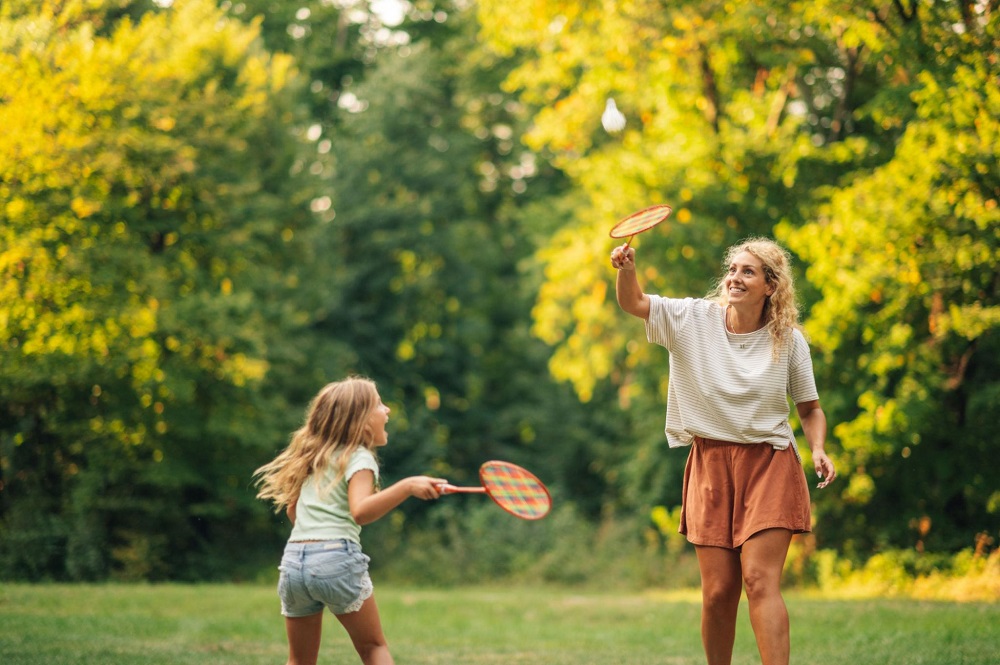
Outdoor games remain one of the most effective and enjoyable ways to support physical health, social development, and mental well being. Long before digital entertainment became widespread, outdoor play shaped childhood experiences and encouraged movement, cooperation, and creativity. Today, outdoor games continue to play an important role for children, teenagers, and adults who want to stay active while building practical life skills.
Unlike indoor activities that often involve screens or limited movement, outdoor games combine exercise with social interaction and environmental awareness. They help people develop confidence, resilience, and teamwork through real world engagement.
What Outdoor Games Are
Outdoor games are physical activities played outside in open environments such as parks, playgrounds, sports fields, and backyards. These games may involve structured rules or flexible creative play depending on the participants and setting.
Outdoor games commonly include:
- Team sports played on fields or courts
- Running based playground activities
- Strategy oriented group competitions
- Recreational family games in open spaces
- Skill based individual outdoor challenges
These activities encourage movement and interaction in natural surroundings.
Outdoor play supports both physical development and emotional growth through active participation.
Why Outdoor Games Remain Important Today
Modern lifestyles often include extended screen time and limited physical movement. Outdoor games help balance these habits by encouraging regular activity and face to face interaction.
Participating in outdoor games provides several advantages:
- Improves cardiovascular fitness
- Supports muscle strength and coordination
- Encourages social connection with peers
- Builds confidence through teamwork experiences
- Reduces stress through movement in open environments
These benefits contribute to overall health across all age groups.
Outdoor games also support long term lifestyle habits that promote active living.
Physical Health Benefits of Outdoor Games
Outdoor play naturally supports physical development because it involves continuous movement and coordination.
Common physical improvements include:
Stronger muscles
Running, jumping, and throwing movements activate multiple muscle groups.
Better balance and coordination
Changing directions quickly improves body control.
Improved endurance
Longer play sessions increase stamina gradually.
Healthy body weight maintenance
Regular activity supports energy balance and physical fitness.
Children who participate in outdoor games regularly often develop stronger movement skills compared with those who remain inactive.
Adults also benefit from improved flexibility and cardiovascular strength through outdoor recreation.
Mental Health Advantages of Outdoor Play
Outdoor games support emotional wellbeing by providing opportunities for relaxation and social interaction.
Spending time outside helps reduce stress levels and improves mood through exposure to natural environments.
Mental benefits include:
- Increased focus and concentration
- Improved confidence during teamwork
- Reduced anxiety through movement
- Greater motivation for physical activity
- Stronger emotional resilience
These advantages help participants maintain balanced daily routines.
Outdoor activity also improves sleep quality, which supports long term health.
Social Skills Developed Through Outdoor Games
Outdoor games encourage cooperation and communication between participants. Unlike individual indoor entertainment activities, outdoor play depends heavily on teamwork.
Players often learn:
- How to follow shared rules
- How to communicate clearly during gameplay
- How to cooperate toward common goals
- How to resolve disagreements respectfully
- How to support teammates during challenges
These experiences prepare participants for collaborative environments later in life.
Team based outdoor games strengthen friendships and create shared memories.
Popular Outdoor Games for Children
Children benefit especially from outdoor activities that combine movement with imagination.
Some widely played outdoor games include:
Tag
Tag encourages speed, coordination, and awareness of surroundings.
Hide and seek
This game improves observation skills and patience.
Kickball
Kickball supports teamwork and introduces basic sport concepts.
Capture the flag
Capture the flag combines strategy with physical activity.
Jump rope games
Jump rope improves rhythm, timing, and endurance.
These activities help children stay active while enjoying social interaction.
Outdoor games also support creativity through flexible rules and cooperative play.
Outdoor Games That Support Teen Development
Teenagers benefit from outdoor activities that combine physical challenge with teamwork and strategy.
Popular outdoor games for teenagers include:
- Soccer matches in neighborhood fields
- Basketball competitions in community courts
- Frisbee based team activities
- Relay races involving group coordination
- Adventure style obstacle challenges
These games strengthen leadership skills and encourage responsibility within teams.
Teen participation in outdoor activities also improves confidence during social interaction.
Physical activity during adolescence supports long term fitness habits.
Outdoor Games for Adults and Families
Outdoor games are not limited to children or teenagers. Adults benefit equally from recreational activities that combine exercise with social engagement.
Family friendly outdoor games include:
- Backyard badminton matches
- Volleyball sessions in parks
- Walking based scavenger hunts
- Lawn games involving coordination and accuracy
- Friendly running competitions
These activities encourage family bonding while supporting physical health.
Outdoor recreation helps adults reduce stress caused by busy schedules.
Playing together also strengthens communication between family members.
Strategy and Planning in Outdoor Games
Many outdoor games involve decision making and coordination rather than simple movement alone.
Strategy based outdoor activities help participants:
- Plan movement routes efficiently
- Coordinate actions with teammates
- Adapt tactics during changing situations
- Predict opponent decisions
Games such as capture the flag and relay competitions encourage players to think quickly while working together.
These experiences improve problem solving skills in practical settings.
Strategic outdoor play supports both physical and cognitive development.
Safety Considerations During Outdoor Activities
Safe participation ensures that outdoor games remain enjoyable and beneficial.
Important safety practices include:
- Wearing appropriate footwear for running activities
- Staying hydrated during extended play sessions
- Choosing safe play areas free from hazards
- Following agreed rules during competitive games
- Taking breaks when necessary
Supervision helps younger participants stay safe during group activities.
Planning play environments carefully supports long term participation.
Safe habits encourage confidence and prevent unnecessary injuries.
The Role of Outdoor Games in Education
Schools often include outdoor games as part of physical education programs because they support multiple learning goals.
Educational benefits include:
- Improved concentration during classroom sessions
- Better cooperation between students
- Increased motivation for physical activity
- Development of leadership abilities
- Encouragement of healthy routines
Outdoor activities help students remain active while building important social skills.
Teachers frequently use team games to promote cooperation and discipline.
Physical education programs benefit from including structured outdoor play opportunities.
Technology and Modern Outdoor Game Experiences
Technology now supports outdoor games in new ways without replacing traditional play.
Examples include:
- Fitness tracking applications encouraging movement
- GPS based exploration activities
- Interactive outdoor adventure challenges
- Community organized recreation programs
These innovations help motivate participation while maintaining the benefits of outdoor environments.
Technology can support outdoor play when used responsibly.
Combining traditional activities with modern tools encourages broader participation.
Encouraging Children to Participate in Outdoor Games
Parents and educators play an important role in promoting outdoor activity.
Helpful encouragement strategies include:
- Creating regular outdoor play schedules
- Providing simple equipment such as balls or jump ropes
- Organizing neighborhood group games
- Supporting participation in community sports programs
- Setting positive examples through active involvement
Children who see adults participating in outdoor activities often develop similar habits.
Consistent encouragement supports long term interest in physical recreation.
Outdoor participation becomes easier when families treat it as a shared activity.
The Long Term Value of Outdoor Games
Outdoor games support lifelong health habits that continue into adulthood. Regular physical activity improves energy levels, reduces stress, and supports strong social connections.
Participants who develop outdoor play habits early often maintain healthier routines later in life.
Outdoor recreation also strengthens awareness of natural environments and encourages appreciation for open spaces.
These experiences create positive associations with movement and teamwork that remain valuable throughout life.
Outdoor games remain one of the most accessible and effective ways to support balanced development across all age groups.
FAQ Section
What age groups benefit most from outdoor games
Outdoor games benefit all age groups including children, teenagers, adults, and older participants when activities match their abilities.
How often should children participate in outdoor games each week
Children benefit from daily outdoor movement whenever possible, even if sessions are short.
Can outdoor games improve academic performance in students
Yes. Physical activity supports concentration, memory retention, and classroom engagement.
Are outdoor games helpful for reducing stress in adults
Yes. Physical movement and time spent outside help reduce stress levels and improve mood.
What equipment is needed to start outdoor games at home
Simple equipment such as balls, cones, or jump ropes can support many outdoor activities.
How can communities encourage more outdoor recreation participation
Communities can provide safe play areas, organize group events, and support recreational programs.
Are outdoor games effective alternatives to gym based exercise
Yes. Many outdoor games provide cardiovascular activity, coordination training, and strength development similar to gym exercises.
