
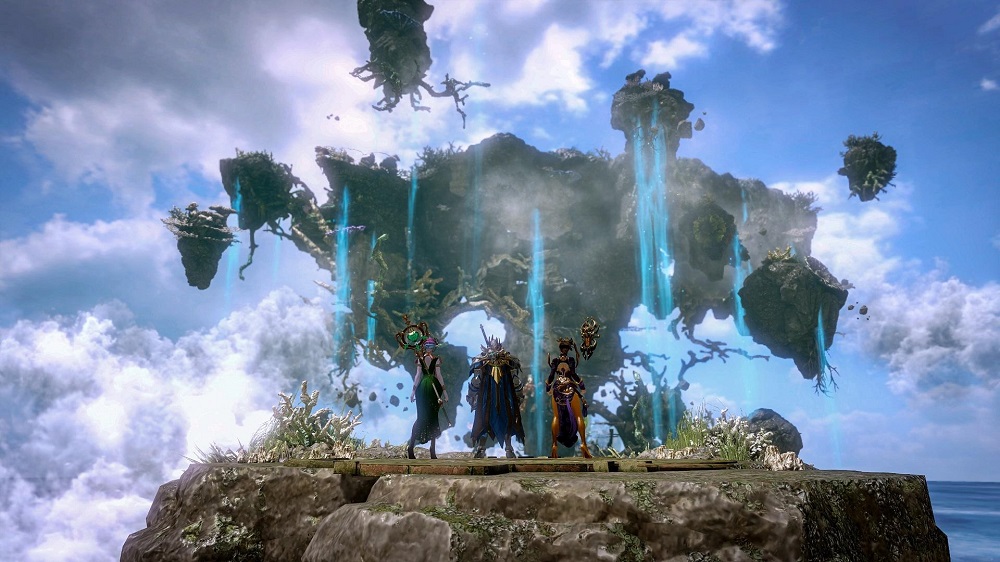
Online role playing games have transformed how players experience digital storytelling and shared adventures. Unlike traditional single player titles, these games place individuals inside living virtual environments where they interact with thousands of other players in real time. They combine exploration, character progression, teamwork, and narrative discovery into experiences that continue evolving long after the first login.
Players are not simply observers in these virtual spaces. They become active participants shaping their journeys through choices, alliances, and strategies. This combination of personal freedom and social interaction explains why online role playing games remain one of the most influential gaming genres today.
What Online Role Playing Games Are
Online role playing games are multiplayer digital environments where players create characters and explore persistent virtual worlds. These worlds continue operating even when individual players log off, allowing events and changes to unfold continuously.
Most online role playing games include:
- Character customization systems
- Experience based leveling progression
- Equipment collection and upgrades
- Cooperative missions and group activities
- Story driven exploration across large maps
Players shape their identities within these environments by choosing skills, professions, and alliances that influence their gameplay paths.
Unlike short match based games, online role playing experiences reward long term involvement and gradual development.
The Appeal of Exploring Virtual Worlds
Exploration remains one of the strongest motivations behind role playing game popularity. Virtual worlds offer freedom to travel across landscapes that include forests, cities, deserts, oceans, and underground environments.
Exploration provides several benefits:
- Encourages curiosity through hidden locations
- Rewards players with rare equipment discoveries
- Introduces new storylines gradually
- Builds familiarity with complex world maps
Instead of following a single fixed path, players decide where to go and how they want to progress.
This flexibility allows each player to experience the same game world differently.
Character Creation and Personal Identity in Virtual Worlds
Character creation is one of the defining features of online role playing games. Players begin their journeys by designing avatars that represent their roles within the environment.
Customization options typically include:
- Appearance selection
- Skill specialization
- Combat style preferences
- Profession or class choices
- Equipment upgrades over time
These decisions shape gameplay experiences from the beginning. Some players prefer defensive roles that support teammates, while others choose offensive approaches focused on direct combat.
Personal identity within virtual environments increases emotional investment and long term engagement.
Storytelling in Online Role Playing Environments
Narrative structure plays a central role in role playing games. Instead of presenting a single linear story, online role playing titles deliver layered storytelling through quests, characters, and environmental discoveries.
Story progression often includes:
- Mission based narrative arcs
- Exploration triggered dialogue events
- Group quest campaigns
- Seasonal world updates
Because these stories unfold gradually, players remain engaged over extended periods.
Developers frequently expand narratives with updates that introduce new regions and characters.
This ongoing storytelling structure keeps virtual worlds active and interesting.
Cooperative Gameplay and Social Interaction
One of the strongest advantages of online role playing games is the ability to cooperate with other players. Many challenges require teamwork rather than individual action.
Cooperative gameplay typically involves:
- Group dungeon exploration
- Coordinated boss encounters
- Shared mission completion
- Resource trading between players
Working together encourages communication and strategic coordination.
Players often form long term teams that participate in repeated activities across different areas of the game world.
These shared experiences strengthen community connections.
Player Progression and Skill Development Systems
Progression systems give players clear goals and measurable improvement over time. Unlike games that reset progress after each match, role playing environments reward persistence.
Progression usually includes:
- Level advancement through experience points
- Equipment upgrades improving performance
- Skill tree specialization decisions
- Access to advanced regions and missions
Each achievement unlocks new possibilities and encourages continued exploration.
Players often develop unique strategies depending on their chosen progression paths.
Open World Design and Environmental Variety
Open world design allows players to move freely across large virtual regions. Instead of restricting exploration to limited maps, role playing games encourage discovery across connected environments.
Typical open world features include:
- Capital cities filled with player interaction
- Remote wilderness exploration areas
- Dangerous enemy territories
- Resource gathering locations
Environmental variety prevents gameplay from becoming repetitive.
Players constantly encounter new challenges as they travel through different regions.
This structure supports long term engagement and curiosity.
Economic Systems Inside Virtual Worlds
Many online role playing games include player driven economies that simulate trade environments. These systems add depth beyond combat and exploration.
Economic features often involve:
- Marketplace trading between players
- Crafting professions producing equipment
- Resource gathering activities
- Auction based item exchanges
Participating in economic systems allows players to support teammates and improve their own equipment efficiently.
These systems encourage cooperation and strategic planning.
Competitive Features Within Role Playing Games
Although cooperation is central to role playing gameplay, many titles include competitive elements as well.
Competitive activities may include:
- Player versus player combat arenas
- Territory control objectives
- Ranked battle systems
- Guild based competitions
These features provide additional challenges for players seeking higher intensity experiences.
Competition introduces new strategies and encourages skill refinement.
Balancing cooperative and competitive activities keeps gameplay dynamic.
The Importance of Guilds and Player Communities
Guilds are organized player groups that support teamwork and shared objectives. Joining a guild often improves access to advanced activities and coordinated missions.
Guild participation provides several advantages:
- Access to experienced teammates
- Shared resources and strategies
- Organized event participation
- Faster mission completion
Strong communities increase player motivation and enjoyment.
Many long term friendships begin through guild interaction.
These relationships often extend beyond the virtual environment.
Technical Advancements Supporting Virtual Exploration
Technology continues to improve the realism and scale of role playing environments. Faster internet connections and improved hardware allow developers to create larger worlds with more detailed interaction systems.
Modern improvements include:
- Seamless region transitions without loading interruptions
- Real time voice communication tools
- Cross platform compatibility support
- Expanded character animation systems
These advancements strengthen immersion and improve accessibility.
Players can explore more detailed environments than ever before.
Educational and Cognitive Benefits of Role Playing Exploration
Exploring virtual worlds supports several useful skills that extend beyond gaming.
Players often develop:
Strategic planning abilities
Mission completion requires careful preparation and resource management.
Communication skills
Team coordination improves clarity and cooperation.
Problem solving techniques
Complex quests encourage analytical thinking.
Adaptability
Changing environments require flexible strategies.
These benefits make role playing games valuable learning environments when used responsibly.
Choosing the Right Online Role Playing Game
Different role playing games offer different experiences. Selecting the right one depends on individual preferences and available playtime.
Important selection factors include:
- Story driven or exploration focused gameplay
- Competitive or cooperative emphasis
- Character customization depth
- Device compatibility requirements
- Community activity levels
Trying multiple games helps players identify which virtual environments match their interests best.
Exploration becomes more enjoyable when players find communities that support their play styles.
The Future of Online Role Playing Virtual Worlds
Online role playing games continue evolving alongside technology. Developers are expanding world size, storytelling depth, and interaction systems.
Future developments may include:
- Larger shared environments with more players
- Improved artificial intelligence characters
- Expanded cross platform gameplay access
- Enhanced social interaction features
These innovations will continue shaping how players explore digital worlds together.
Virtual exploration will remain one of the defining features of role playing gaming experiences.
FAQ Section
What makes online role playing games different from single player role playing games
Online role playing games allow players to interact with others in shared virtual environments instead of experiencing stories alone.
Are online role playing games suitable for beginners
Yes. Many games include tutorial systems that help new players learn controls and mechanics gradually.
How long does it usually take to progress in role playing games
Progress depends on playtime and goals, but most games are designed for gradual advancement over weeks or months.
Can players explore virtual worlds without joining teams
Yes. Many role playing games support solo exploration while still offering optional cooperative activities.
Do online role playing games require powerful computers
Not always. Many modern role playing games run on mid range computers or mobile devices depending on the title.
Are virtual economies important in role playing environments
Yes. Trading systems help players obtain equipment, resources, and crafting materials efficiently.
How do developers keep virtual worlds interesting over time
Developers release updates that introduce new regions, missions, characters, and events to maintain long term engagement.
