
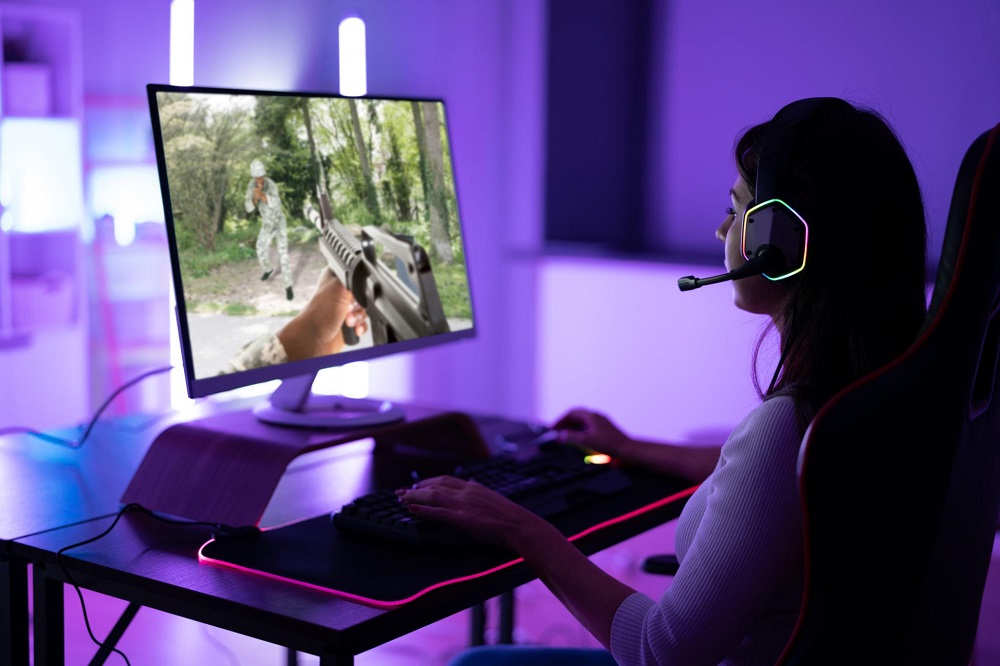
Shooter games are among the most widely played video game genres because they combine fast decision making, movement control, teamwork, and tactical awareness into a single experience. These games challenge players to react quickly while analyzing changing situations in real time. Whether played casually or competitively, shooter games encourage skill development across multiple areas of cognitive and physical coordination.
Over time, shooter games have evolved from simple arcade experiences into detailed multiplayer environments that support strategic planning, communication, and competitive performance. Today they remain central to modern gaming culture and esports competition.
What a Shooter Game Is
A shooter game is a video game genre focused on aiming, targeting, and eliminating opponents or objectives using ranged weapons within structured environments. Players navigate digital spaces while responding to threats and completing mission goals.
Shooter games commonly include:
- Character movement across interactive maps
- Weapon selection and management systems
- Objective based missions or elimination matches
- Competitive multiplayer environments
- Cooperative team focused gameplay modes
These elements combine to create fast paced experiences that reward awareness and accuracy.
Shooter games may emphasize individual skill or teamwork depending on the game mode.
Types of Shooter Games Players Commonly Experience
Shooter games exist in several formats that support different styles of gameplay. Each type encourages specific strategies and movement techniques.
First Person Shooter Games
First person shooter games present the environment through the character perspective. Players see the world as if they are inside the action.
This perspective improves:
- Precision aiming control
- Environmental awareness
- Reaction timing during encounters
- Immersion within gameplay scenarios
First person shooter formats remain especially popular in competitive gaming environments.
Third Person Shooter Games
Third person shooter games display the character from an external camera angle positioned behind or above the player model.
Advantages include:
- Wider visibility of surroundings
- Better awareness of character positioning
- Increased ability to use environmental cover
- Enhanced movement planning opportunities
This format supports both action oriented gameplay and tactical positioning strategies.
Tactical Shooter Games
Tactical shooters emphasize planning and teamwork rather than fast individual reactions alone.
Key characteristics include:
- Careful movement coordination between teammates
- Limited resource availability
- Objective based mission completion
- Communication focused strategies
Players who enjoy structured planning often prefer tactical shooter experiences.
Arcade Style Shooter Games
Arcade shooters focus on accessibility and fast paced action rather than complex strategy systems.
These games typically include:
- Simplified controls
- Quick match sessions
- Immediate scoring feedback
- High replay value environments
Arcade shooters remain popular for casual gaming sessions.
Why Shooter Games Remain Popular Across Generations
Shooter games attract players from different age groups because they combine action with measurable skill improvement. Players can see progress through accuracy improvements and faster decision making.
Several factors support their continued popularity:
- Clear performance feedback during gameplay
- Short match formats supporting flexible playtime
- Competitive ranking systems encouraging improvement
- Strong multiplayer community environments
- Frequent updates introducing new maps and challenges
These features create long term engagement opportunities.
Shooter games remain adaptable to both casual and competitive play styles.
Skills Developed Through Shooter Game Participation
Shooter games encourage the development of several useful abilities that support performance in other activities as well.
Important skills include:
Reaction speed improvement
Players learn to respond quickly to unexpected events.
Hand eye coordination
Precise aiming improves coordination between visual input and movement.
Situational awareness
Monitoring surroundings becomes essential during fast paced encounters.
Strategic thinking
Players evaluate positioning decisions and resource management.
Team communication
Coordinated actions improve success in multiplayer matches.
These skills support learning beyond gaming environments.
Consistent practice strengthens decision making confidence over time.
The Importance of Map Awareness in Shooter Games
Map awareness plays a critical role in shooter game success. Understanding environment layouts allows players to anticipate opponent movement and choose effective routes.
Players benefit from learning:
- Entry and exit points across maps
- High visibility observation areas
- Defensive cover locations
- Objective control zones
Strong map familiarity improves survival rates and positioning accuracy.
Experienced players often study map layouts before entering competitive matches.
Environmental knowledge supports faster decision making during gameplay.
Weapon Selection Strategies in Shooter Games
Weapon choice influences performance in different scenarios. Each weapon type supports specific movement styles and engagement distances.
Common weapon categories include:
- Close range equipment supporting fast encounters
- Mid range tools balancing accuracy and movement
- Long range options supporting defensive positioning
- Support equipment assisting team coordination
Choosing the correct equipment for each situation improves effectiveness.
Players who adjust equipment based on map conditions often perform more consistently.
Weapon awareness supports flexible strategy development.
Teamwork in Multiplayer Shooter Environments
Multiplayer shooter games often depend heavily on coordinated teamwork rather than individual performance alone.
Effective teamwork includes:
- Sharing information about opponent movement
- Supporting teammates during objectives
- Coordinating defensive positioning
- Planning attack timing together
Communication improves match outcomes and strengthens team reliability.
Players who support teammates consistently contribute to overall success.
Team coordination also creates more enjoyable gameplay experiences.
Competitive Shooter Gaming and Esports Growth
Shooter games play a major role in competitive gaming environments known as esports. Organized tournaments allow players to demonstrate skill and teamwork on larger stages.
Competitive shooter environments include:
- Ranked matchmaking systems
- Professional team organizations
- Spectator viewing platforms
- Seasonal tournament structures
These systems support structured competition at multiple levels.
Players who practice consistently may participate in regional events or community competitions.
Competitive gaming encourages discipline and structured improvement.
Responsible Participation in Shooter Games
Balanced participation ensures that shooter games remain enjoyable and beneficial activities.
Healthy gaming habits include:
- Taking regular breaks between matches
- Maintaining comfortable posture during play sessions
- Managing screen time responsibly
- Communicating respectfully with teammates
Responsible habits support long term participation without negative effects.
Players who maintain balanced routines often improve more consistently.
Healthy gameplay environments encourage positive experiences.
Shooter Games as Learning Environments for Strategy Development
Shooter games encourage strategic thinking through real time decision making and positioning adjustments.
Strategic development includes:
- Evaluating risk before engagement
- Choosing effective movement routes
- Coordinating attacks with teammates
- Managing available resources carefully
Players who practice strategy consistently improve match performance over time.
Strategic awareness becomes increasingly important at advanced skill levels.
These experiences support structured thinking habits beyond gaming environments.
Choosing the Right Shooter Game for Beginners
Selecting an appropriate shooter game helps new players learn mechanics gradually without frustration.
Important selection factors include:
- Difficulty level of opponents
- Availability of training modes
- Accessibility of control systems
- Presence of cooperative gameplay options
- Community activity supporting beginners
Starting with accessible environments encourages steady improvement.
Learning fundamentals early supports confidence during competitive matches.
Players who explore multiple formats often discover preferred play styles.
The Future of Shooter Game Development
Shooter games continue evolving through improvements in graphics technology and multiplayer connectivity systems.
Future developments may include:
- Larger multiplayer environments with more participants
- Improved artificial intelligence training opponents
- Expanded cross platform gameplay support
- Enhanced communication systems between teammates
These innovations will continue shaping how players experience shooter games in coming years.
Shooter games remain one of the most dynamic and adaptable gaming genres available today.
FAQ Section
What skills are most important for success in shooter games
Reaction timing, positioning awareness, and communication with teammates are essential for consistent performance.
Are shooter games suitable for beginners with no gaming experience
Yes. Many shooter games include tutorials and beginner friendly modes that help new players learn gradually.
Do shooter games always require multiplayer participation
No. Many shooter games offer single player missions that allow players to practice independently.
How can players improve accuracy in shooter games
Practicing movement control, adjusting sensitivity settings, and learning map layouts help improve accuracy over time.
Are shooter games helpful for developing teamwork skills
Yes. Multiplayer matches require coordination, communication, and shared decision making between teammates.
What equipment improves performance in shooter games
Comfortable controllers, responsive keyboards, and clear display settings help support better performance.
Can shooter games support strategic thinking development
Yes. Evaluating positioning choices and planning movement routes encourages structured decision making.
