
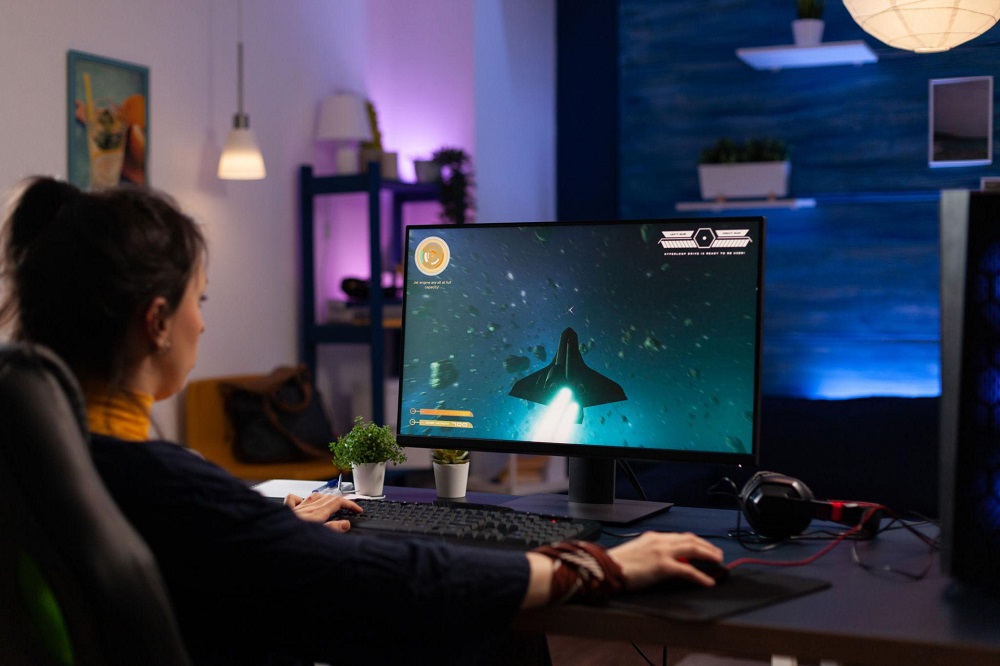
Gaming has evolved into a diverse and skill-driven activity that combines strategy, coordination, timing, and decision-making. Whether someone plays casually after school or participates in competitive matches online, applying the right techniques can significantly improve results and overall enjoyment. Effective game habits do not depend on expensive equipment or advanced experience. Instead, they rely on awareness, consistency, and smart practice.
This guide explains practical and reliable game tips that help players sharpen their skills across multiple genres including strategy games, action titles, racing games, and multiplayer competitions.
Understand Game Mechanics Before Trying Advanced Strategies
Every game operates on its own internal logic. Players who skip tutorials often struggle later because they lack a foundation.
Learning the mechanics early provides several advantages:
- Faster reaction time during unexpected situations
- Better awareness of movement limitations
- Improved understanding of scoring systems
- Stronger positioning during competitive moments
Spending time in practice modes or early levels builds confidence. Instead of rushing into difficult matches immediately, players benefit from learning how controls interact with gameplay systems.
Understanding mechanics also prevents frustration because mistakes become easier to identify and correct.
Customize Controls for Comfort and Efficiency
Default controls are designed for general players, not individual preferences. Adjusting settings improves responsiveness and comfort.
Common adjustments that improve gameplay performance include:
- Increasing or decreasing mouse sensitivity
- Changing controller layout for easier reach
- Adjusting camera movement speed
- Rebinding frequently used actions to accessible keys
Comfortable control layouts reduce reaction delays and improve consistency. Even small adjustments can make a noticeable difference during intense gameplay situations.
Players who revisit control settings regularly often maintain better performance across different game sessions.
Improve Awareness Through Observation Instead of Speed Alone
Many players believe fast movement guarantees success. However, awareness plays a more important role than speed in most games.
Strong observation habits help players:
- Detect enemy movement earlier
- Anticipate environmental hazards
- Recognize scoring opportunities faster
- Avoid repeating positioning mistakes
Watching surroundings carefully increases decision accuracy. Instead of reacting after events occur, experienced players anticipate changes before they happen.
This approach improves performance across both competitive and single player experiences.
Learn the Value of Positioning in Competitive Situations
Positioning determines success in many game genres including shooters, strategy titles, racing games, and platform adventures.
Good positioning helps players:
- Control important areas of the map
- Avoid unnecessary damage or risk
- Support teammates more effectively
- Maintain visibility over objectives
Instead of chasing opponents aggressively, skilled players maintain locations that provide tactical advantages.
Understanding positioning often separates average players from consistent winners.
Practice Short Sessions Instead of Long Unfocused Playtime
Many players assume longer gaming sessions automatically improve skills. In reality, focused short sessions produce better results.
Benefits of shorter practice sessions include:
- Higher concentration levels
- Faster learning from mistakes
- Reduced physical fatigue
- Better memory retention of strategies
Practicing with purpose leads to measurable improvement. Players who review their performance after each session often develop stronger habits faster.
Consistency matters more than duration when building reliable gameplay skills.
Study Opponent Behavior to Predict Future Actions
Opponent behavior often follows patterns. Observing those patterns creates opportunities to respond effectively.
Players can improve prediction skills by watching:
- Movement habits during encounters
- Timing of attacks or abilities
- Defensive reactions under pressure
- Preferred routes through maps
Recognizing behavior patterns allows players to prepare responses before situations become difficult.
This skill becomes especially valuable in multiplayer environments where adaptation determines success.
Use Game Audio as a Strategic Tool
Audio provides important information that many players overlook. Listening carefully improves reaction time and situational awareness.
Game sound cues often reveal:
- Enemy footsteps approaching nearby
- Direction of incoming attacks
- Environmental changes affecting movement
- Hidden object locations
Using headphones instead of speakers improves directional awareness and helps players respond faster to unexpected threats.
Audio awareness supports smarter decisions without increasing visual workload.
Manage Resources Carefully Instead of Spending Quickly
Resource management plays an important role in strategy games, survival titles, and multiplayer competitions.
Effective resource use includes:
- Saving upgrades for critical moments
- Prioritizing defensive equipment early
- Avoiding unnecessary purchases
- Planning long term progression paths
Players who manage resources wisely maintain flexibility during difficult situations.
Strategic resource planning creates stronger opportunities later in matches.
Learn From Mistakes Instead of Ignoring Them
Mistakes provide valuable learning opportunities. Players who review errors improve faster than those who repeat the same habits.
Common mistakes worth analyzing include:
- Poor movement choices during combat
- Missed timing opportunities
- Inefficient resource usage
- Incorrect positioning decisions
Recognizing these issues helps players adjust strategies and avoid repeating them.
Improvement depends on awareness rather than perfection.
Maintain Consistent Practice With Different Game Modes
Many games include training areas, challenge missions, and alternative modes that strengthen specific skills.
Practicing in multiple environments improves:
- Reaction timing
- Map familiarity
- Ability coordination
- Tactical flexibility
Players who explore different modes often discover techniques they would not encounter during standard gameplay sessions.
This variety builds adaptable skills that transfer between challenges.
Upgrade Equipment Gradually Instead of Immediately
High performance equipment can help improve comfort and precision, but skill development matters more than hardware.
Before upgrading equipment, players should focus on:
- Improving movement accuracy
- Learning map layouts
- Adjusting control sensitivity
- Strengthening decision timing
Once these fundamentals improve, equipment upgrades provide additional benefits rather than acting as shortcuts.
Skill always remains the most important factor in long term improvement.
Build a Comfortable Gaming Environment
Physical comfort supports better performance during extended gameplay sessions.
Simple adjustments that improve comfort include:
- Maintaining proper seating posture
- Adjusting monitor height to eye level
- Using supportive chairs during long sessions
- Taking short breaks between matches
Comfort reduces fatigue and helps players maintain focus longer.
A stable environment supports consistent performance improvements.
Develop Patience During Difficult Matches
Frustration often leads to rushed decisions and repeated mistakes. Remaining patient helps players stay focused and adaptable.
Patience allows players to:
- Observe opponent strategies carefully
- Wait for better opportunities before attacking
- Avoid unnecessary risks
- Maintain control during challenging moments
Players who remain calm often recover from difficult situations more effectively.
Confidence grows naturally when patience becomes part of gameplay habits.
Watch Experienced Players to Learn New Techniques
Observing experienced players provides insight into advanced strategies and efficient movement patterns.
Watching gameplay demonstrations helps players understand:
- Tactical positioning decisions
- Ability timing strategies
- Resource prioritization methods
- Defensive movement techniques
Learning through observation complements hands on practice and accelerates improvement.
Players who combine both methods develop stronger gameplay awareness.
Balance Fun With Skill Development
Improvement should never reduce enjoyment. Games remain most rewarding when players combine learning with entertainment.
Maintaining balance includes:
- Trying new game modes regularly
- Playing with friends when possible
- Exploring different genres
- Setting achievable improvement goals
Enjoyment encourages long term consistency, which leads to steady progress over time.
Players who stay motivated continue improving naturally.
FAQ Section
How often should players practice to improve gaming skills
Short daily sessions with focused goals produce better improvement than occasional long sessions without structure.
Do gaming skills transfer between different genres
Yes. Skills like reaction timing, awareness, positioning, and decision making apply across many game categories.
Is expensive equipment necessary to become a better player
No. Comfortable controls and consistent practice matter more than high cost hardware upgrades.
Can watching recorded gameplay help improve performance
Yes. Reviewing recordings helps identify mistakes and understand better movement and strategy choices.
What is the best way to stay calm during competitive matches
Taking short breaks between matches and focusing on decision making rather than results helps maintain composure.
Should beginners start with single player modes before multiplayer
Yes. Single player modes allow players to understand mechanics before facing unpredictable opponents.
How long does it take to see noticeable improvement in gaming performance
Players often notice improvement within a few weeks when practicing consistently with clear goals.
